Exploring Intersections of Regulatory Changes and Interface Adaptations in Cross-Border Digital Gaming Ecosystems
Zoe Reed · Sep 29, 2026
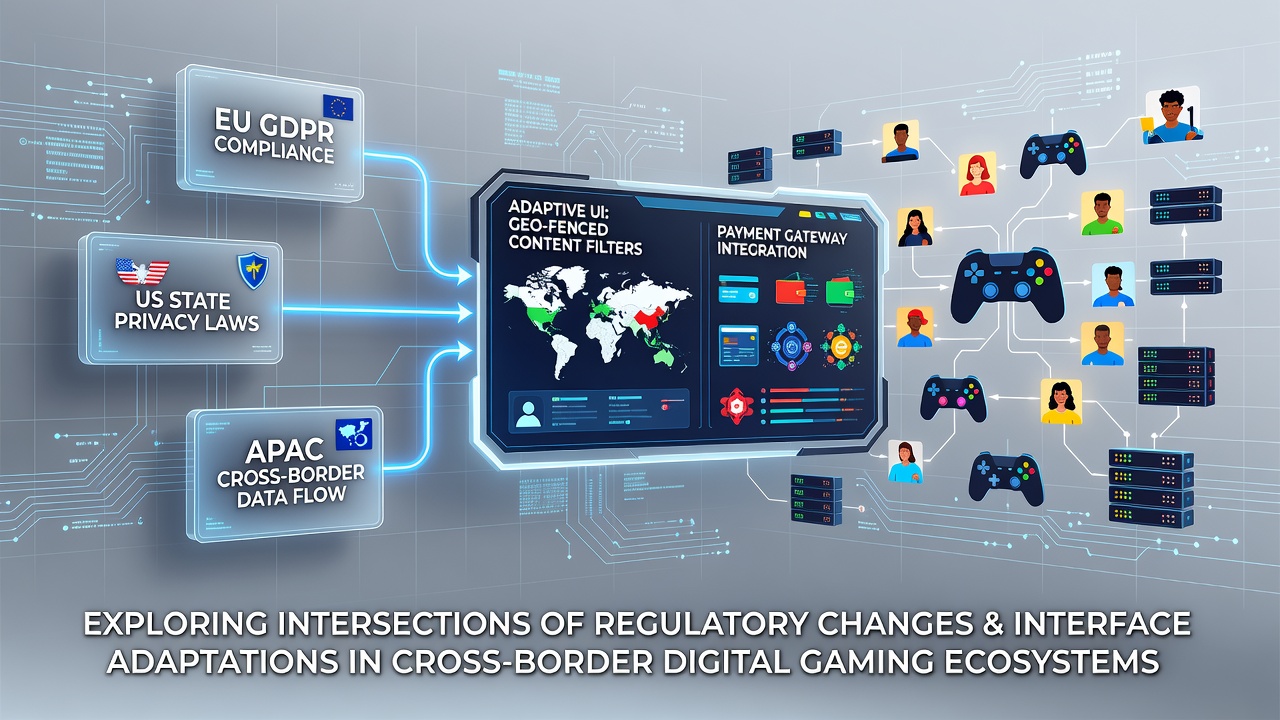
Exploring Intersections of Regulatory Changes and Interface Adaptations in Cross-Border Digital Gaming Ecosystems
Regulatory frameworks for digital gaming continue to evolve across multiple jurisdictions as of September 2026, and operators respond by modifying user interfaces to meet compliance standards while maintaining cross-border functionality. These adjustments appear in areas such as age verification prompts, data consent flows, payment processing displays, and geolocation tools that vary by region.
Regulatory Developments Shaping Digital Platforms
Authorities in the European Union updated elements of the Digital Services Act implementation during 2026, which requires clearer disclosure mechanisms for algorithmic recommendations in gaming environments. Operators adjusted interface layouts to include expandable sections that detail how user data influences game suggestions and promotional targeting. In Canada, provincial regulators in Ontario and British Columbia introduced enhanced responsible gaming notifications that platforms must integrate into session timers and deposit screens. These rules prompted developers to create modular interface components that activate specific messages based on user location detected through IP analysis.
Australian state-level changes in New South Wales extended mandatory break reminders into mobile applications, leading companies to redesign navigation bars so that pause options sit prominently without disrupting gameplay flow. Data from industry reports show that such adaptations reduced average session lengths in affected markets by measurable percentages while preserving user retention through optional return prompts.
Interface Modifications for Compliance
Cross-border platforms often maintain separate code branches for different regulatory zones, and teams merge these through conditional rendering that detects user jurisdiction at login. One common approach involves dynamic consent banners that expand or contract based on whether the session originates from GDPR-covered areas or regions with lighter data rules. Payment interfaces now embed jurisdiction-specific methods, such as displaying e-wallet options approved in Singapore alongside credit card fields required in parts of the United States, all within the same checkout sequence.
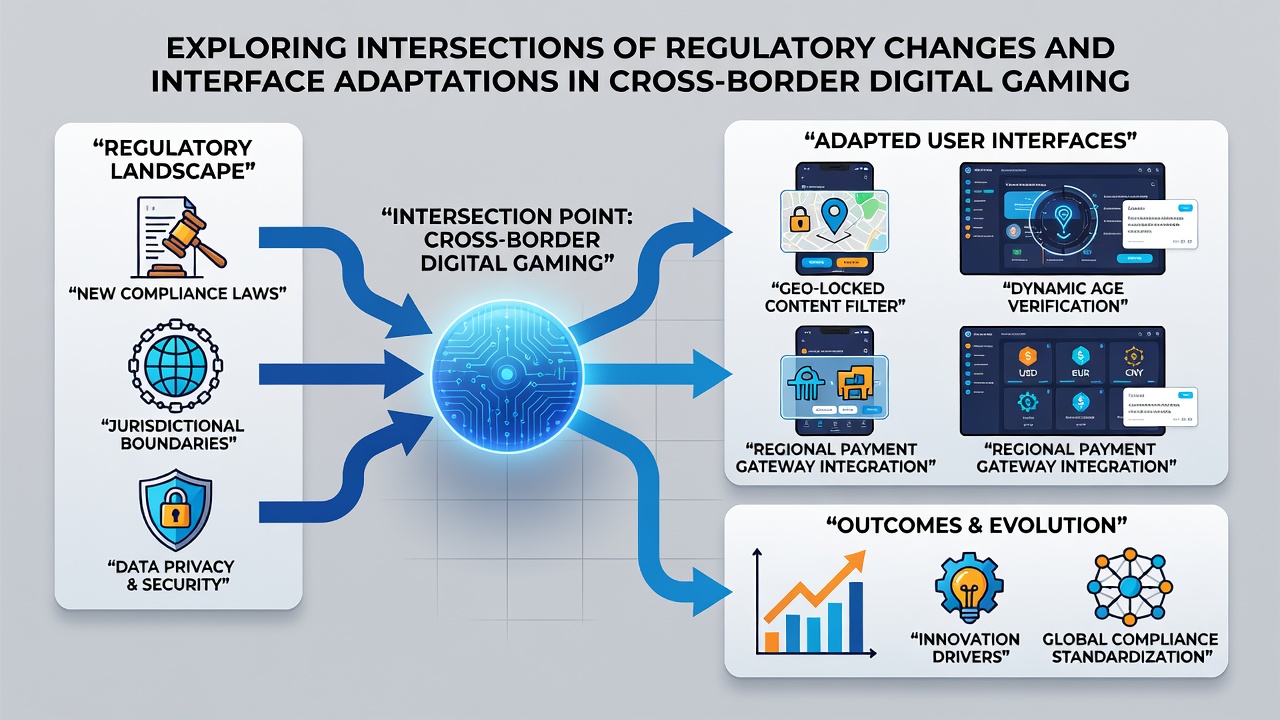
Geofencing technology integrates with on-screen indicators that inform users when certain features become unavailable due to regulatory boundaries. Researchers at institutions tracking iGaming trends note that these visual cues reduce support ticket volume because players receive immediate context rather than encountering abrupt blocks. Adaptive algorithms further refine these displays by learning from aggregate interaction data while staying within privacy limits set by each jurisdiction.
Challenges in Multi-Region Implementation
Operators face technical hurdles when aligning interfaces with conflicting requirements, such as one region mandating visible loss limits and another requiring hidden advanced settings accessible only after multiple taps. Development teams address this through centralized configuration systems that push updates without requiring full app redeployments. Case examples from platform providers operating in both European and North American markets illustrate how A/B testing of notification timing helps balance regulatory adherence with engagement metrics.
According to findings shared by the International Association of Gaming Regulators, coordination among agencies in different countries remains limited, which leaves gaps that companies must navigate through careful interface segmentation. This situation encourages investment in flexible front-end frameworks capable of handling frequent policy shifts without extensive recoding.
Emerging Patterns and Technical Responses
Studies from academic groups examining digital entertainment ecosystems indicate that interfaces incorporating progressive disclosure techniques perform better under regulatory scrutiny because they avoid overwhelming users with every requirement at once. Features like collapsible terms panels and contextual help overlays allow platforms to satisfy transparency rules while keeping primary gameplay areas uncluttered. Payment flow adaptations also reflect these trends, with some systems routing users through region-specific verification steps that appear only when transaction patterns trigger compliance flags.
Industry associations in Asia-Pacific regions report similar interface experiments, particularly around real-time currency conversion displays that align with local tax reporting obligations. These elements connect directly to backend systems that log interactions for audit purposes, creating a tighter link between user experience design and regulatory record-keeping.
Conclusion
Cross-border digital gaming continues to require ongoing alignment between regulatory updates and interface design choices. Platforms that build adaptable systems position themselves to respond efficiently when new rules emerge in any participating jurisdiction. Observers tracking these developments note that the pace of change shows no sign of slowing through late 2026, with interface flexibility serving as a core operational requirement rather than an optional enhancement.